
The Bandana: A Small Square of Cloth with a Big American Story

The History of the Bandana and Why It Still Matters Today
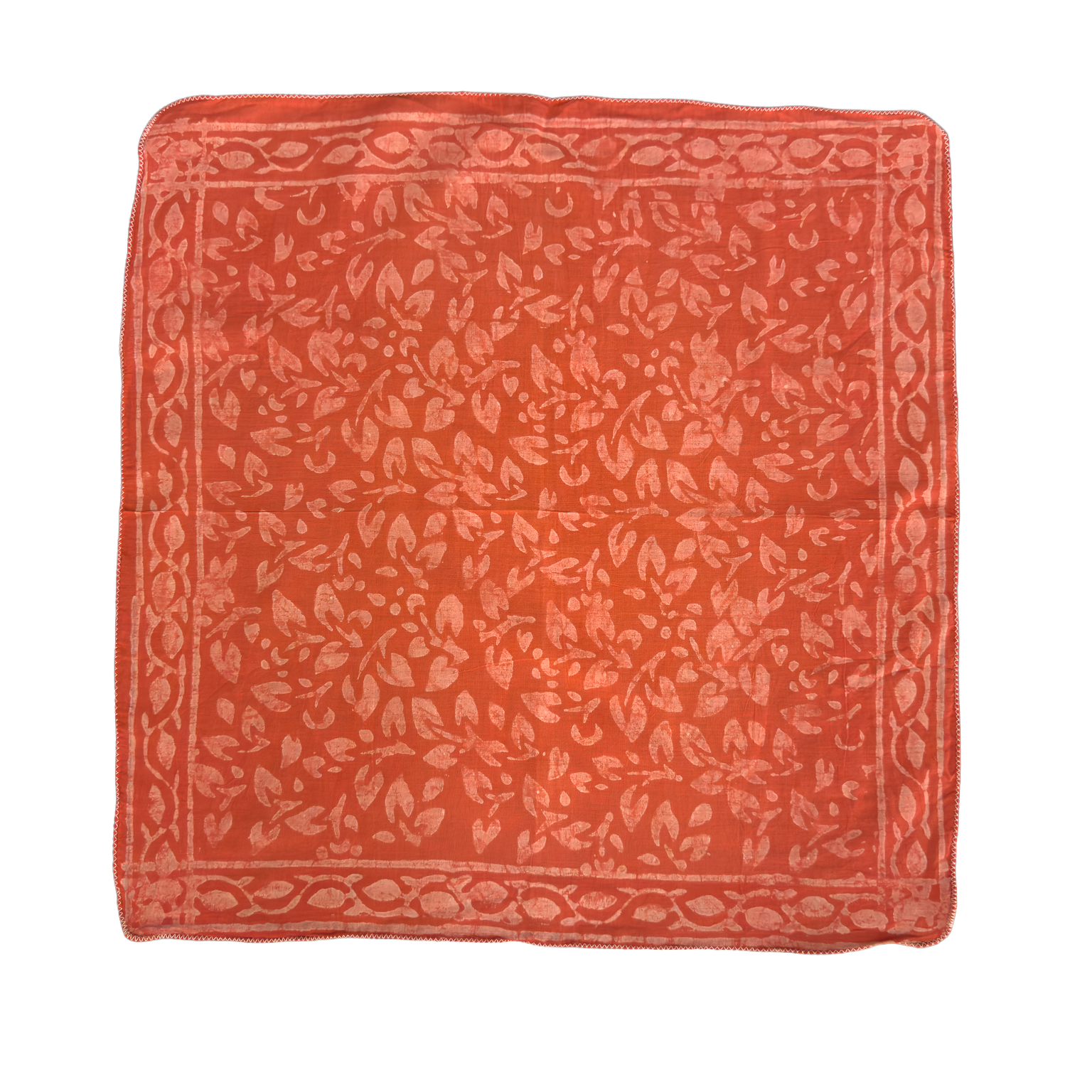
A bandana is one of the simplest tools a man can carry, from the workshop to the wilderness.
Ours are made to keep up with your miles and add a touch of timeless character to your everyday kit.
Handmade with care, no two are exactly alike
100% Turkish cotton for softness and long-lasting durability
Breathable, lightweight, and absorbent, built for everyday use
Versatile wear: neck, head, pocket, wrist, or tied to gear
Ages beautifully, softening with every wash
One of one design
The bandana is one of the simplest pieces of cloth ever made, yet it has one of the richest histories in clothing. From cowboys and railroad workers to musicians and everyday adventurers, the bandana has been a practical tool and a timeless style staple for more than two centuries.
Where the Bandana Comes From
The word bandana comes from the Hindi word bandhna, meaning “to tie.” It originated in India in the 1700s, where cotton cloth was dyed using traditional resist techniques to create the patterns we still recognize today.
As trade expanded, the bandana made its way to Europe and eventually to the United States, where it quickly became less about decoration and more about function.
Cultural Influence
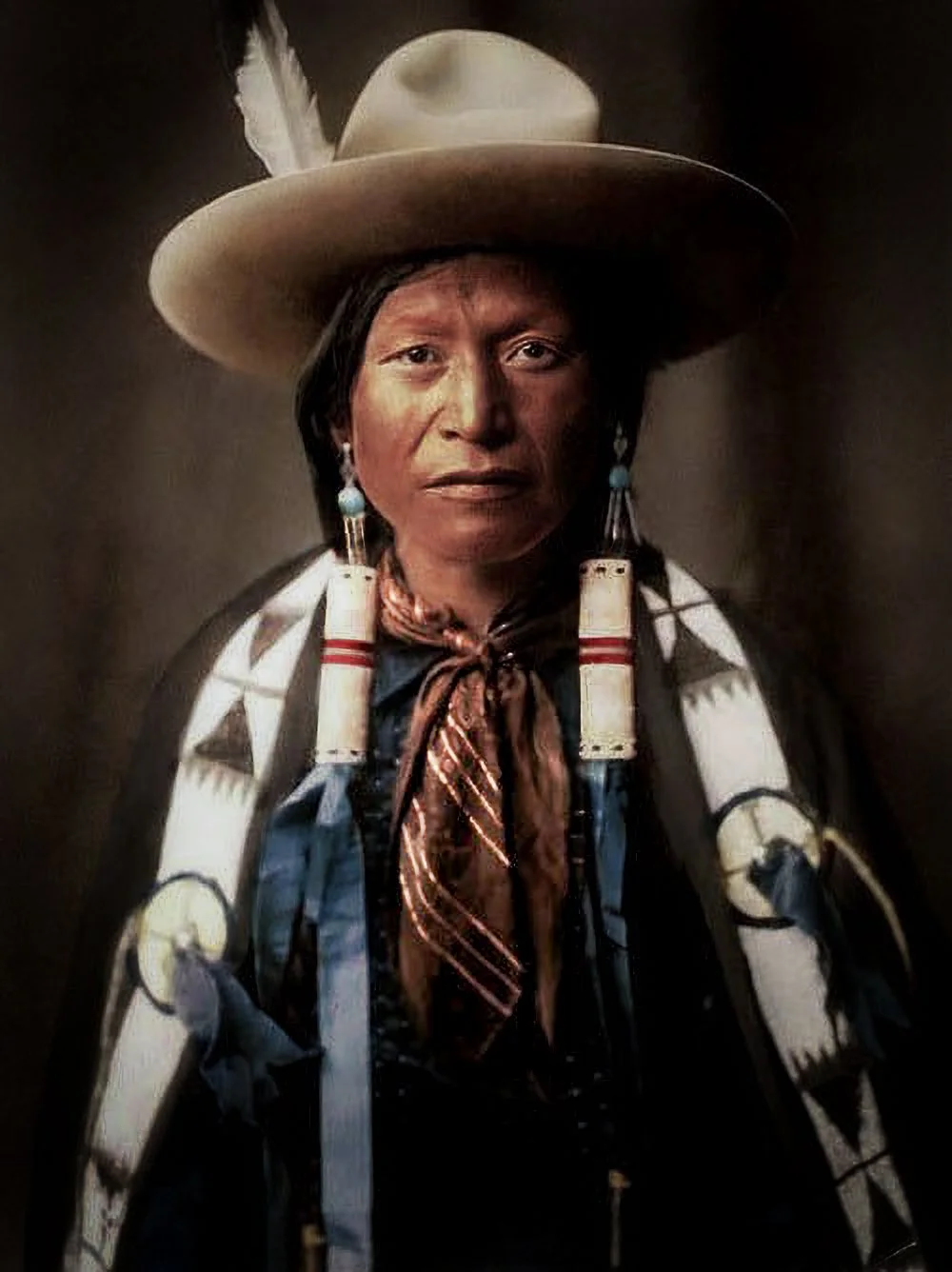
The bandana became essential because it solved real problems.
It showed up on job sites, rail lines, farms, and open land. Cowboys wore it to block dust. Railroad workers used it to wipe sweat. Miners, fishermen, and laborers carried it daily. It was a tool for people who worked hard and needed something reliable.
Across Native American communities, bandanas were adopted through trade and became part of everyday wear. In environments shaped by sun, wind, and dust, they offered protection and practicality. Worn around the neck or head, they blended naturally into daily life, shaped by use and necessity.
Bandanas also hold a strong place in Black American history. From laborers working in extreme conditions to cultural movements that shaped music and style, the bandana has been both functional and expressive. It served as protection during physical work and evolved into a symbol of identity, resilience, and individuality.
Different cultures. Different lives. Same piece of cloth. Not defined by where it came from, but by how it was used.
A bandana could serve many purposes:
Wiping sweat or dirt
Covering the face from dust or sun
Protecting the neck from heat
Acting as a temporary bandage or sling
Carrying small tools or supplies
Its usefulness made it a staple across American work culture.
Famous Bandana Wearers
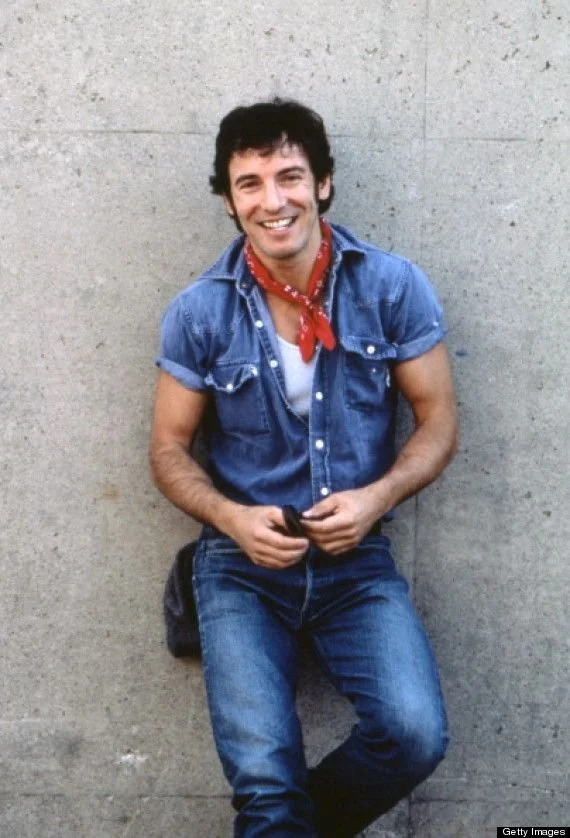
Over time, the bandana moved beyond pure utility and became a recognizable symbol of independence and grit.
In the American West, figures like Clint Eastwood wore neckerchiefs that became synonymous with the cowboy image. Outlaw country legend Willie Nelson made the head-wrapped bandana part of his identity, blending function with personal style.
In rock and working-class Americana, Bruce Springsteen wore bandanas as a symbol of blue-collar culture and authenticity.
In hip-hop and cultural history, Tupac Shakur made the bandana unmistakable, often tied across the front of his head, turning it into a symbol of identity, expression, and presence that still resonates today.
From the open range to the stage, the meaning stays the same. It is worn by people who do things their own way.
A Tool That Still Works Today
The bandana has never needed reinvention because it already does its job.
I’ve seen firsthand how something this simple still holds up. On production shoots in the desert, where temperatures reached 116 degrees, I would bring a stack of bandanas to set. Ten at a time. Drop them in ice water, hand them out, and have the crew tie them around their necks.
Within minutes, the entire team cooled down. No complex gear. No excess. Just something that works.
That same utility is why the bandana still matters today.
It crosses cultures, industries, and generations without losing its purpose. It belongs on a job site, in the back pocket of worn denim, on a road trip, or packed for the outdoors. It fades. It softens. It carries the marks of real life. And that is exactly why it lasts.
The LANDOVERLAND Connection
At LANDOVERLAND, we build around pieces that are honest, functional, and meant to be used.
The bandana fits right in. It is not about trends. It is about purpose.
Tie it around your neck. Keep it in your pocket. Throw it in your truck or your pack. Use it, wear it, and let it take on a life of its own.
Because the best gear is not just worn. It is lived in.